

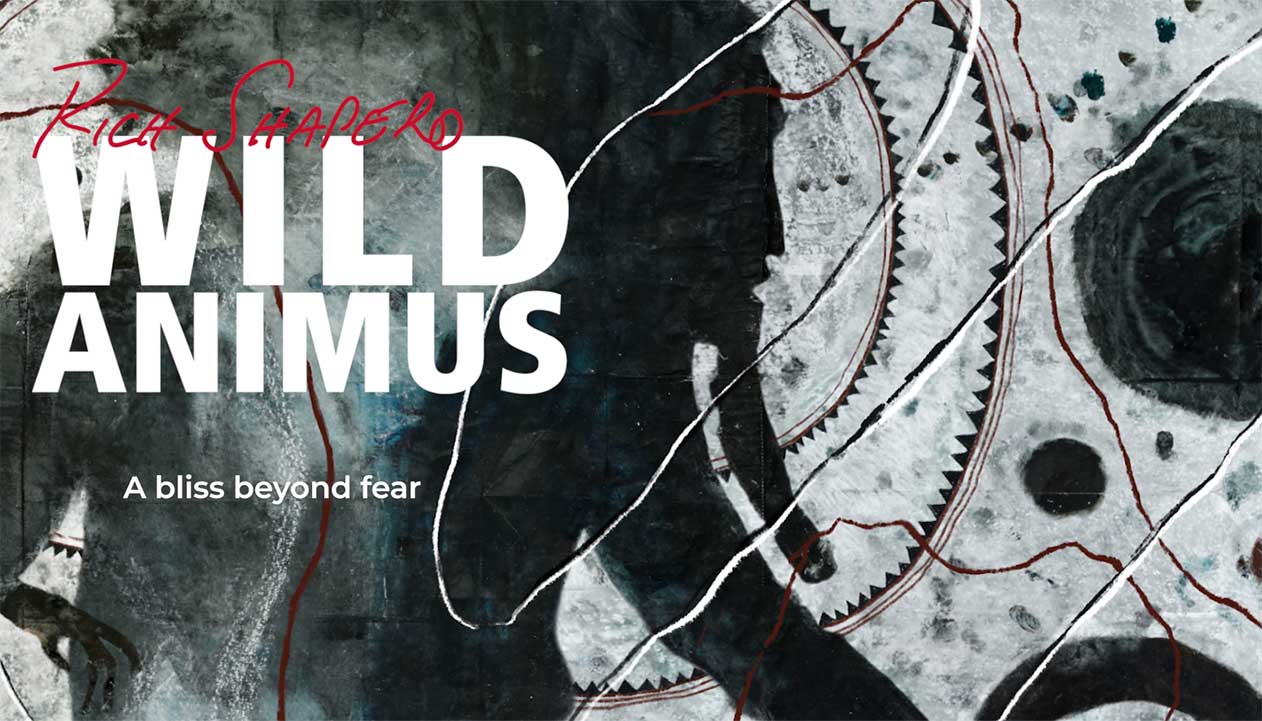
Wild Animus
How far would you go to find yourself?
Wild Animus tracks the reckless quest of Ransom Altman, a young Berkeley graduate who—roused by his literary heroes and love for his girlfriend, Lindy—resolves to live in a new world of “inexhaustible desire.”
Ransom’s deepening identification with the wild mountain ram, whose passion and wisdom he seeks, drives the young lovers north—first to Seattle, then to the remote Alaskan wilderness. Alone on the unforgiving ridges of Mt. Wrangell, his imagination increasingly unhinged, Ransom begins to devise and act out a dangerous animal mythos, which he documents in a first-person manuscript, and in songs or “chants” that detail his transformation and pursuit by a pack of strangely familiar wolves.
The feverish hunt leads from the wilds to civilization and back again. And when the lovers return to brave the perilous mountain together, the truth behind Ransom’s imagined transformation emerges. What they discover in those frozen heights threatens their love as well as their sanity and their lives.
Is Ransom inspired by a transcendent truth, or prey to a misguided fantasy? As his grip on reality weakens, the reader shares Ransom’s fears, his hopes, and his extraordinary discoveries.
Wild Animus, Shapero’s debut novel, is a search for the primordial and a journey to the breaking point. It is a story of love and surrender, of monomania—of striving, at all costs, for a bliss beyond fear.
About Wild Animus
Q: Wild Animus tracks the obsessive quest of Ransom Altman, who, on leaving college, rejects a normal life, vowing instead to live—with his girlfriend Lindy—in a world of “inexhaustible desire.” Can you tell us more about your protagonist?
RS: It’s a unique time for most of us. That period between 15 and 21 years of age. We discover what the magic of love is about, and what surrender is about. Ransom is making that discovery, and he arrives at some extreme conclusions.
Q: Would you say, keeping with the imagery of the text, that being in love is sort of like being chased by a pack of wolves?
RS: The notion that in love there is an element of self-destruction—a yielding up of the self in order to realize a participation in something greater—is familiar to many of us. Ransom perceives that if there’s going to be surrender between two individuals, then there will be a hunter and hunted. He develops a mythos around that, and tries to live it out.
The Music

The Art
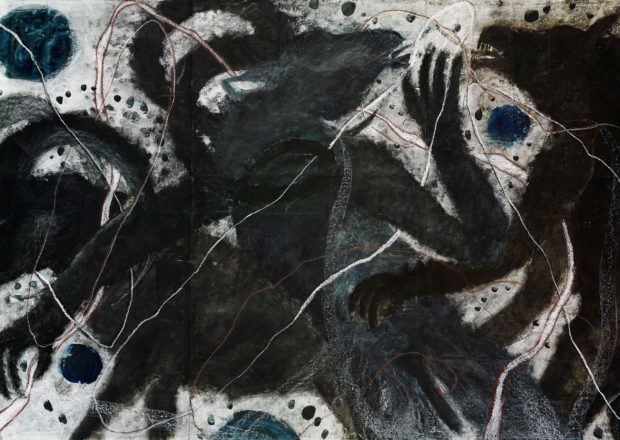
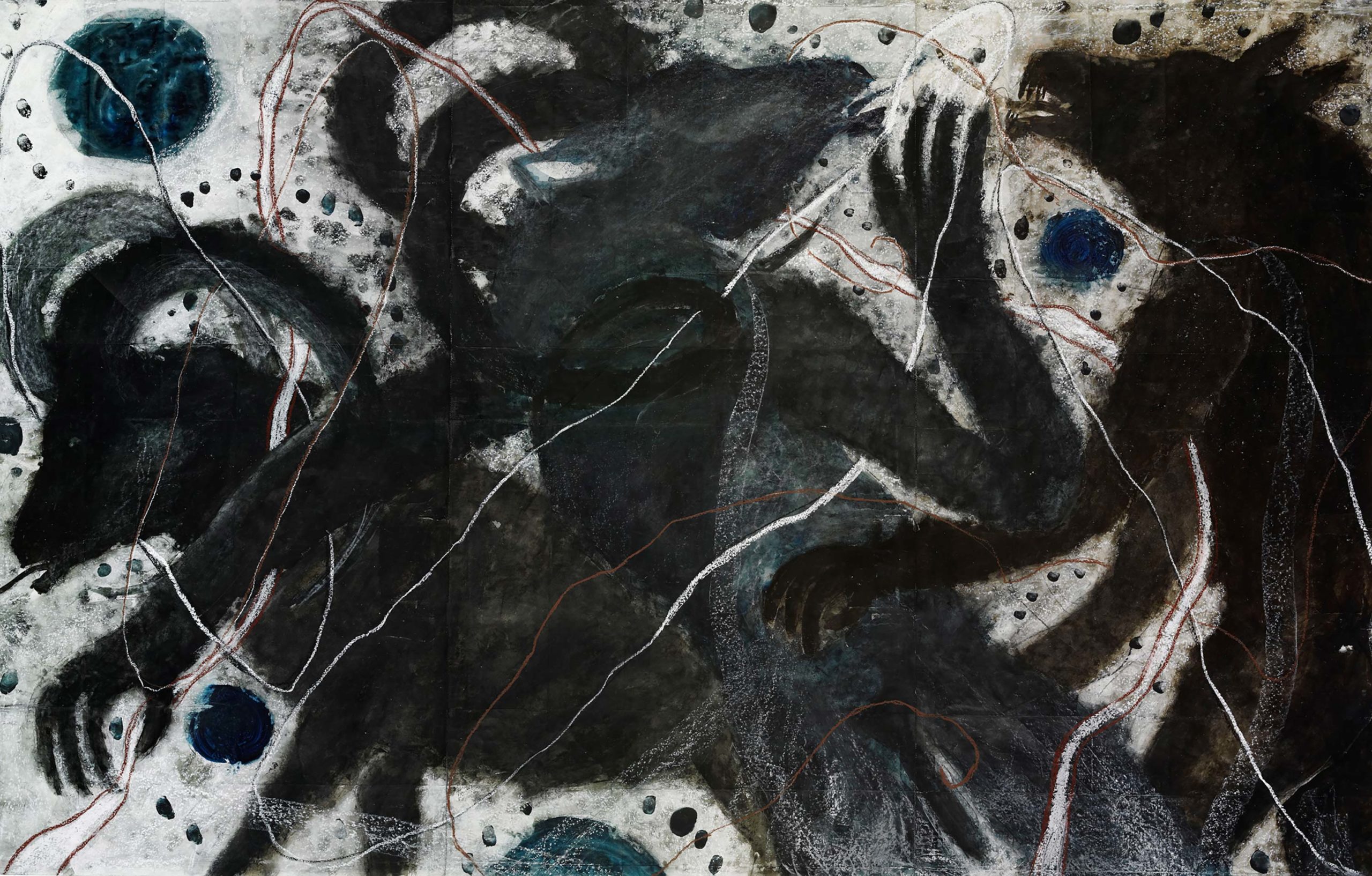
Prologue, François Burland, Number 16, Wild Animus Series. Neocolor on paper. 2005. 39 1/2 x 59 in.
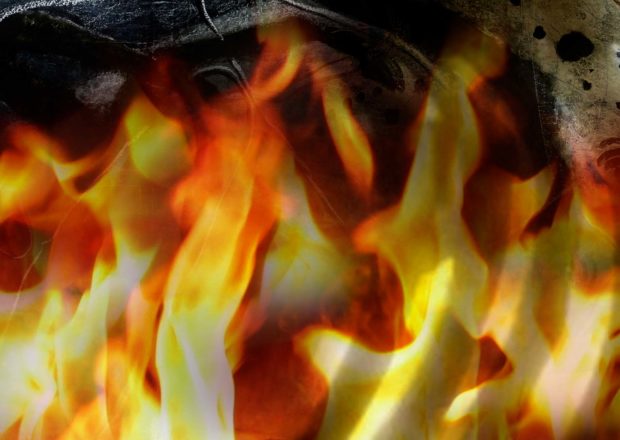
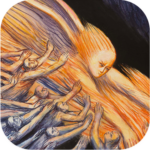
1. From the Flames, Adde Russell collage with: François Burland, Number 20, Wild Animus Series. 2005. 39 1/2 x 59 in.

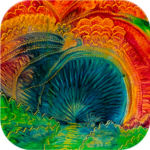
2. Ram, Adde Russell collage with: Paul Mahder, Golden Horns Grow, François Burland, Number 33, Wild Animus Series. 2005. 59 x 78 3/4 in.
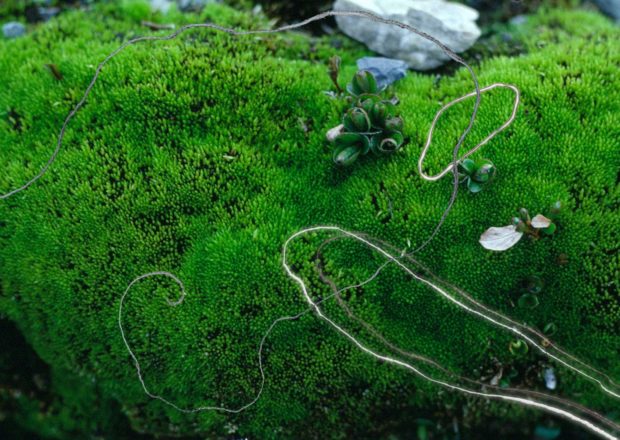
3. Where Am I Bound?, Adde Russell, untitled drawing, Rich Shapero, photo number 917090-5. 2005. 39 1/2 x 59 in.

4. Cock and Spring, Adde Russell collage with:sg Rich Shapero, photo number 843900-17, François Burland, Number 26 & 46, Wild Animus Series. Neocolor on paper. 2005. 39 1/2 x 59 in & 19 1/4 x 54 1/4 in.
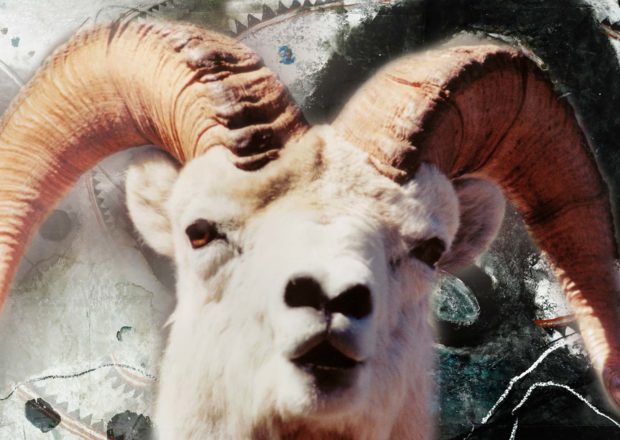
5. The Pool, Adde Russell collage with: Dall Sheep, ©1991 Terry Chick, François Burland, Number 17, Wild Animus Series. Neocolor on paper. 2005. 39 1/2 x 65 1/2 in.
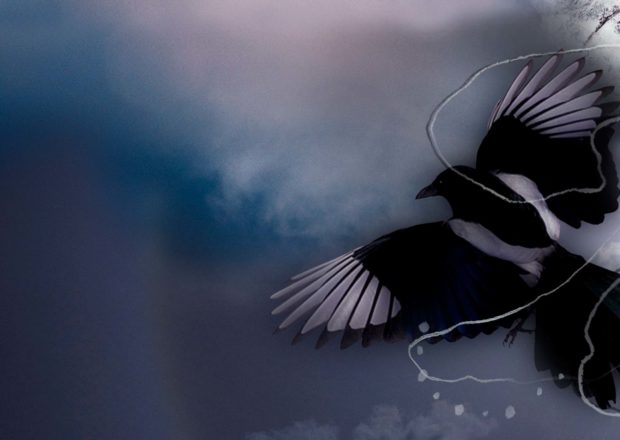
6. A Stalking Shadow, Adde Russell collage with: Rich Shapero, photo number 917082-34, Flying black-billed magpie, ©2004 Bob Smith/Critterzone, François Burland, Number 14, Wild Animus Series. Neocolor on paper. 2005. 39 1/2 x 39 1/2 in.
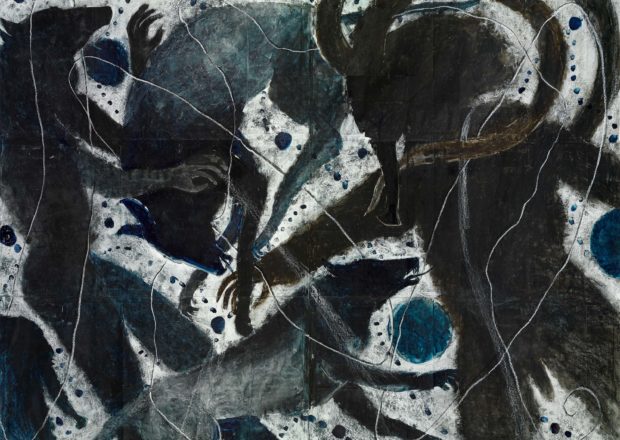
7. Entreaty, François Burland, Number a7, Wild Animus Series. Neocolor on paper. 2005. 59 x 78 3/4 in.
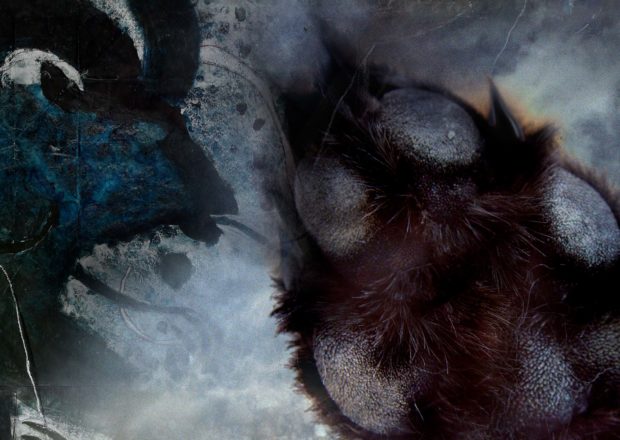
8. Listen, Adde Russell collage with: Adde Russell, Black Wolf Paw photo, Rich Shapero, photo number 556582-22, François Burland, Number 14, Wild Animus Series. Neocolor on paper. 2005. 39 1/2 x 39 1/2 in.
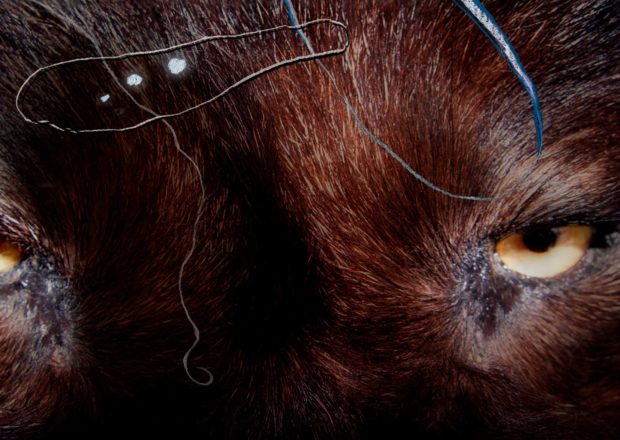
9. Back, Back, Adde Russell collage with: Adde Russell, Black Wolf photo.
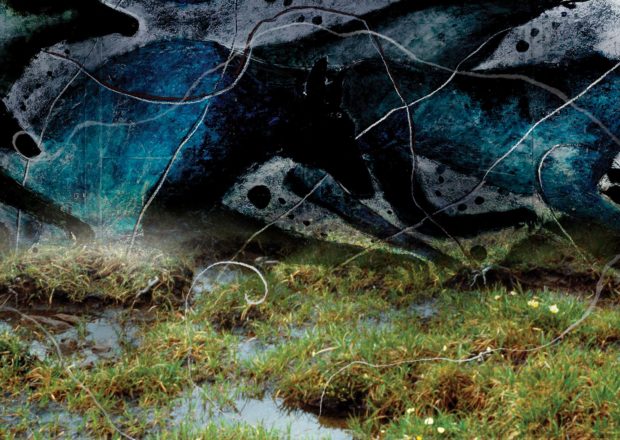
10. I Must Cross, Adde Russell collage with: Rich Shapero, photo number 917036-5, François Burland, Number 50, Wild Animus Series. Neocolor on paper. 2005. 39 1/2 x 98 1/2 in.
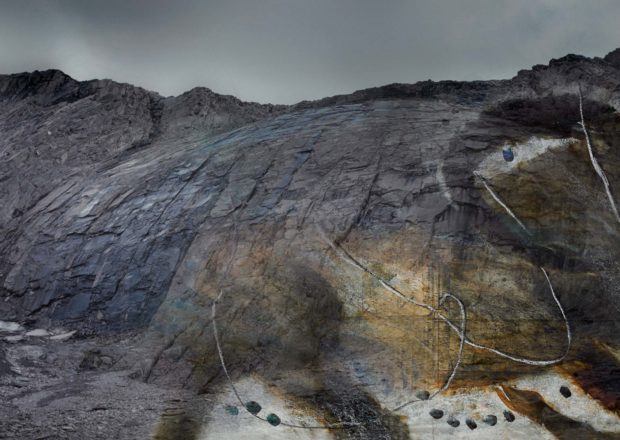
11. Up the Slab, Adde Russell collage with: Rich Shapero, photo number 917101-27, François Burland, Number 4, Wild Animus Series. Neocolor on paper. 2005. 39 1/2 x 39 1/2 in.
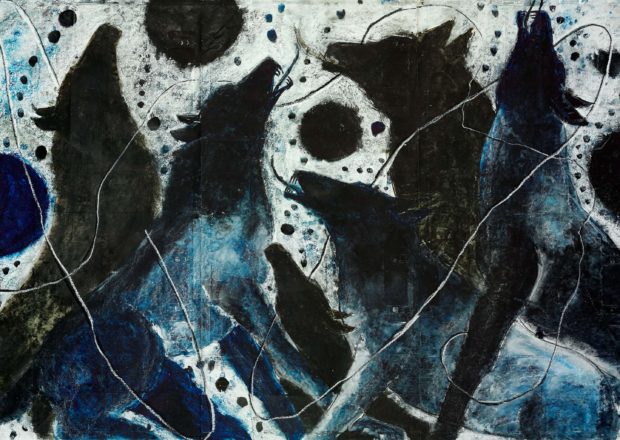
12. Bridge of Spines, François Burland, Number 50, Wild Animus Series. Neocolor on paper. 2005. 39 1/2 x 59 in.“Suddenly the dark file appears from behind a spur. They’re coursing into the valley below. The Lead’s snout is aimed, his eyes on me. . . . The others slow and stop directly below. . . .The Lead stares. The Hangbelly stumbles against the Younger, badly winded, but as she raises her muzzle, her ears perk and her jaw gapes. There was nothing accidental about the encounter at the pool. They found me then, and they’ve found me again. I’m not just any prey.”Quote…
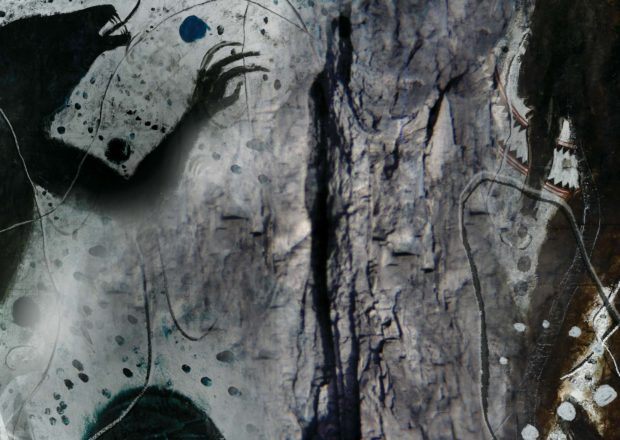
13. The Chimney’s Fang, Adde Russell collage with: Rich Shapero, photo number 917093-20, François Burland, Number 45 & 17, Wild Animus Series. Neocolor on paper. 2005. 39 1/2 x 65 1/2 in.
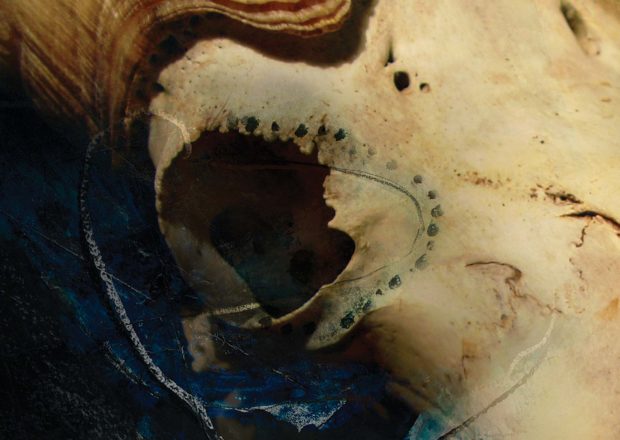
14. Death Rattle, François Burland, Adde Russell collage with: Adde Russell, Dall Sheep Skull photo, François Burland, Number 19, Wild Animus Series. Neocolor on paper. 2005.
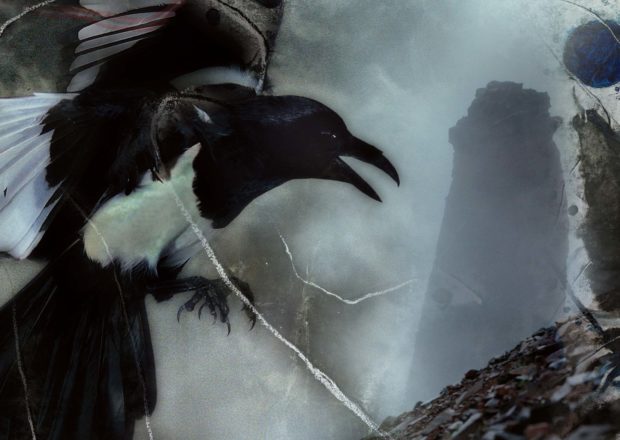
15. You Will See Laubscher/Getty, Rich Shapero, photo number 917039-25, François Burland, Number 9, Wild Animus Series. Neocolor on paper. 2005. 39 1/2 x 39 1/2 in.
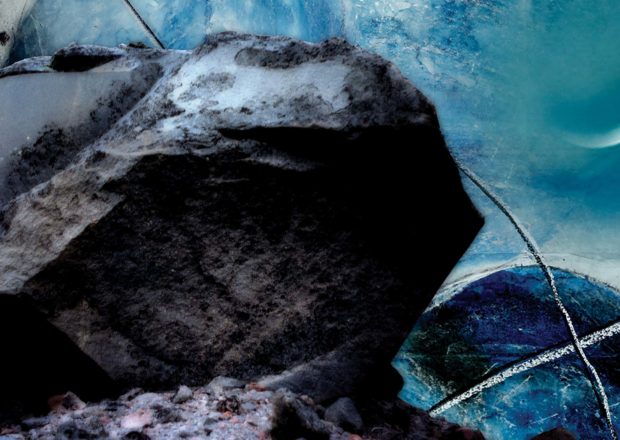
16. A Naked Gap, Adde Russell collage with: Rich Shapero, photo number 917093-20, François Burland, Number 12, Wild Animus Series. Neocolor on paper. 2005. 39 1/2 x 39 1/2 in.
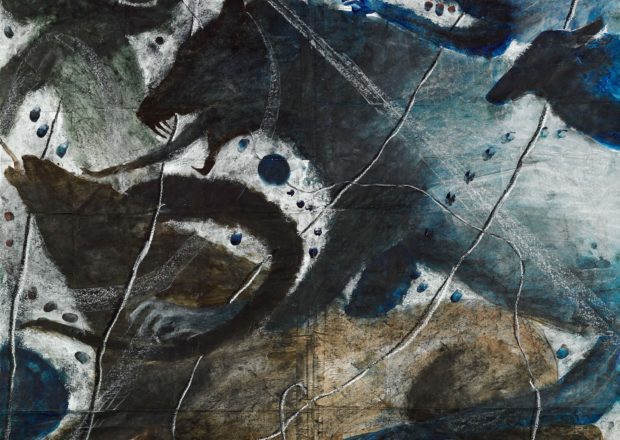
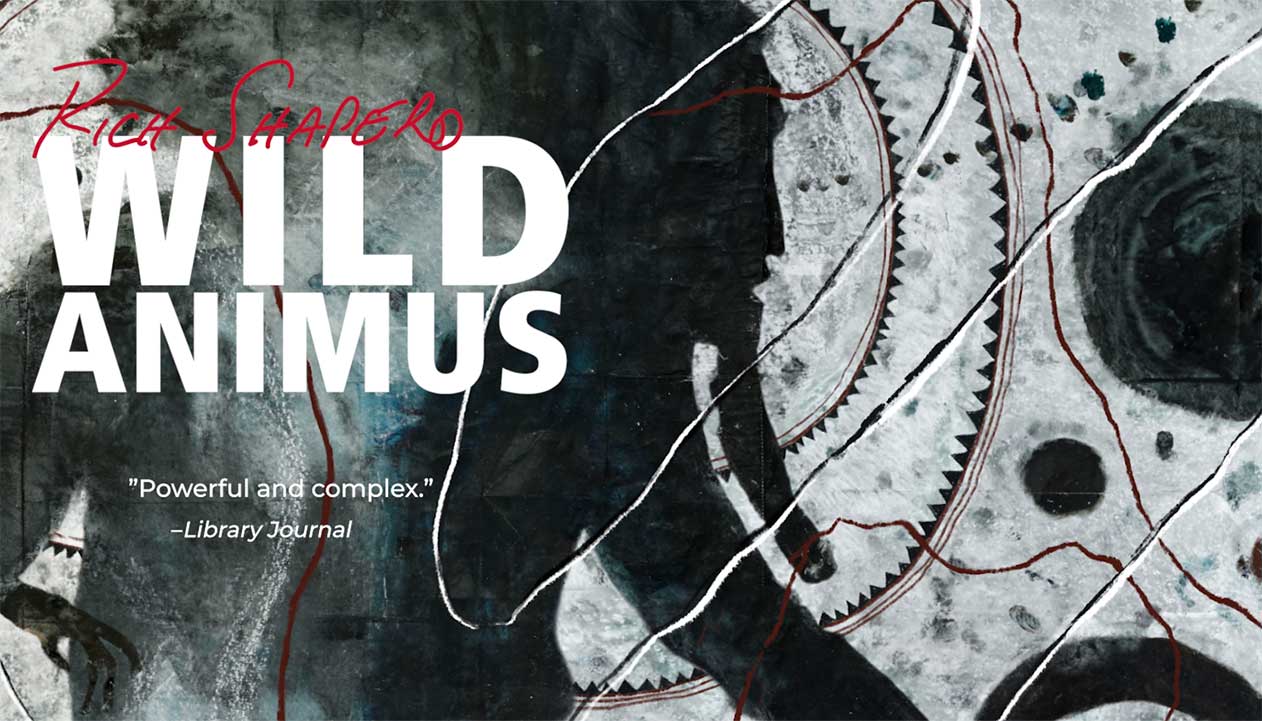
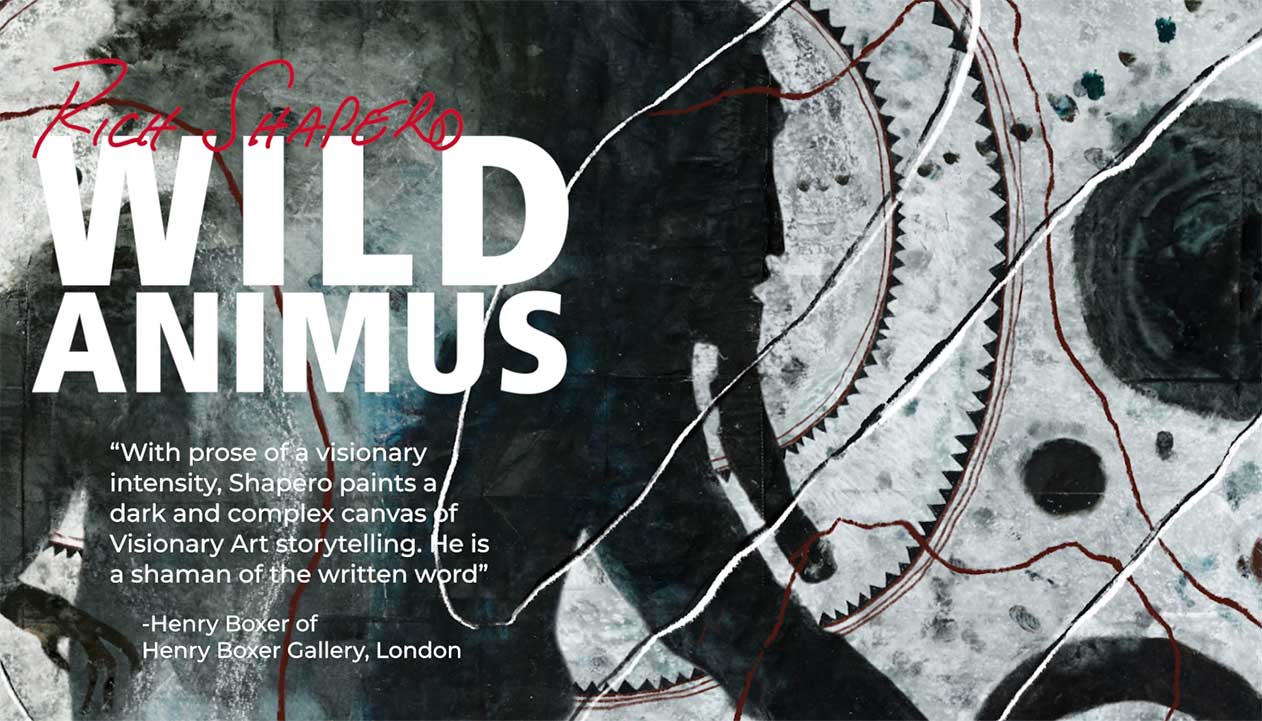
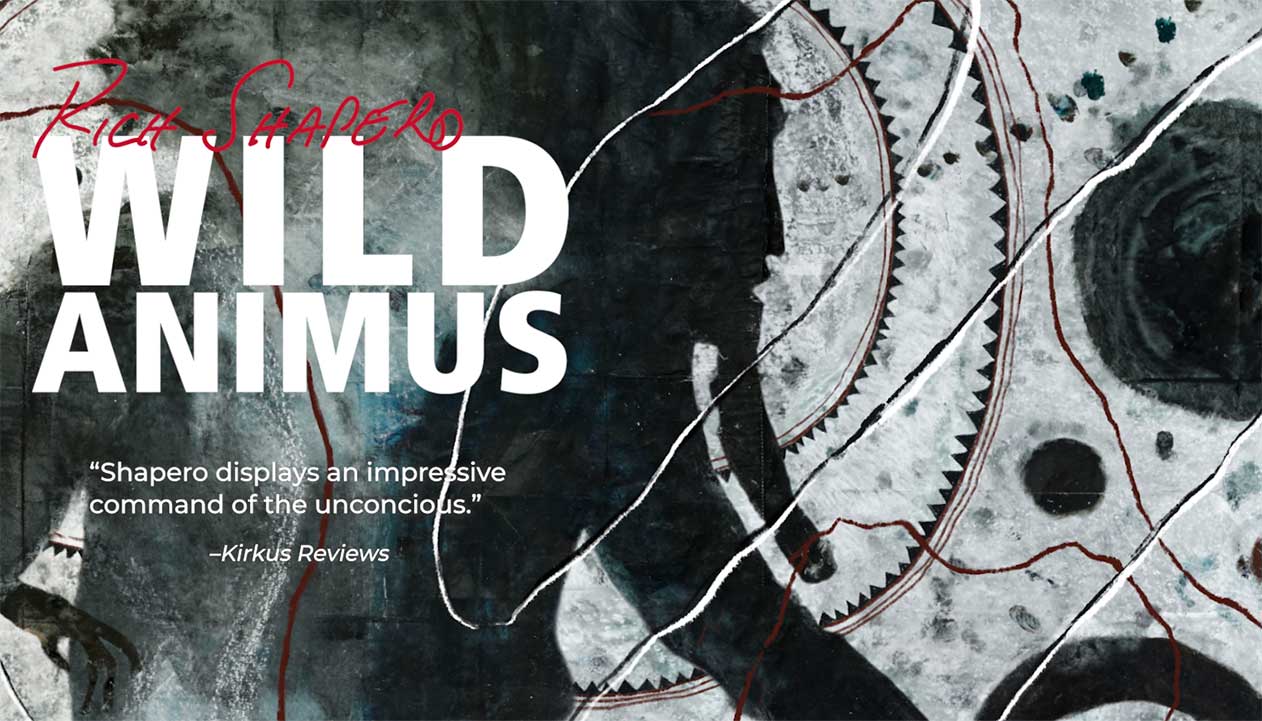
Wild Animus, 50 Years Book Cover / 17. Snared, François Burland, Number 10, Wild Animus Series. Neocolor on paper. 2005. 39 1/2 x 39 1/2 in. “I stagger, kicking blindly, a scrabbling above. I glance up as the Ruff springs from the block’s top, his weight coming full on my loins, buckling my hocks, forcing me down.”Quote…
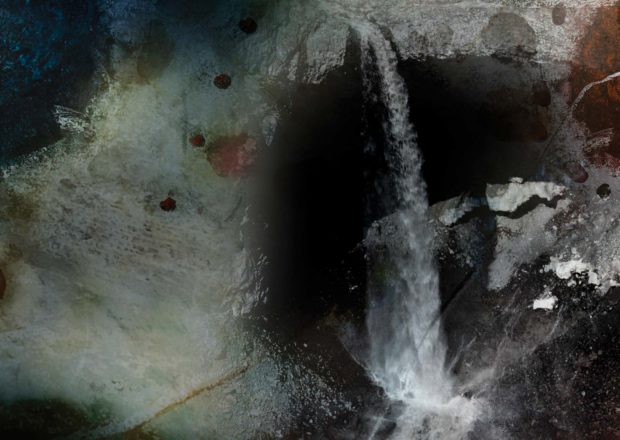
18. Dark Stars, Adde Russell collage with: Rich Shapero, photo number 917039-25, François™; Burland, Number 16, Wild Animus Series. Neocolor on paper. 2005. 39 1/2 x 39 1/2 in.
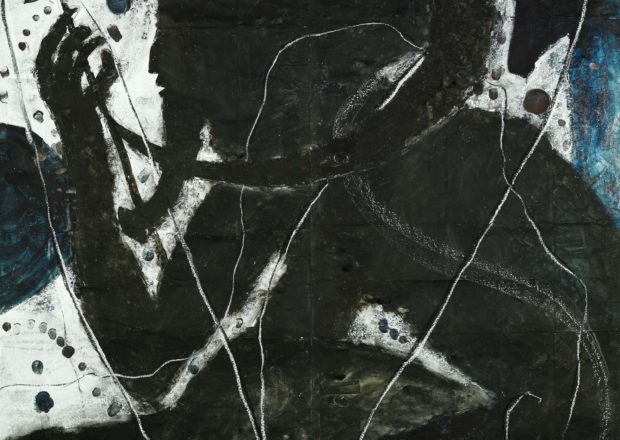
19. The Ram Must Die, François Burland, Number 3, Wild Animus Series. Neocolor on paper. 2005. 39 1/2 x 39 1/2 in.“My heart races, but the rest of me is inert. A thought approaches, not straightaway, but tatting like the pack along the ridge: the ram must die.”Quote…
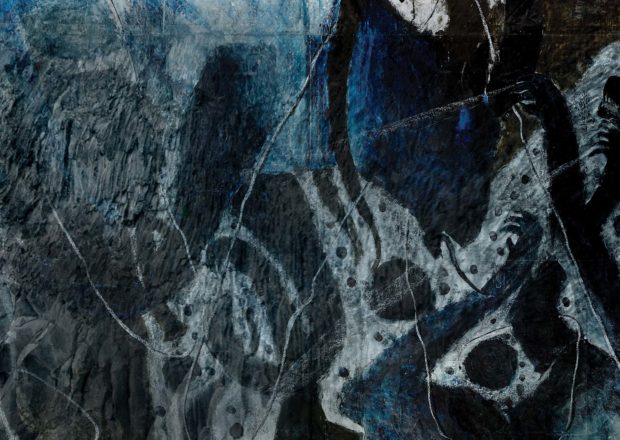
20. The Sheer Wall, Adde Russell collage with: Rich Shapero, photo number 917083-19, François Burland, Number 28, Wild Animus Series. Neocolor on paper. 2005. 59 x 78 3/4 in.
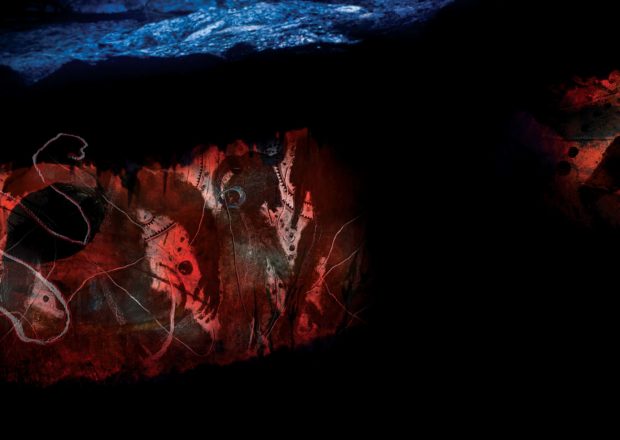
21. A Great Power, Adde Russell collage with: Dorian Weisel, Stock Image, François Burland, Number 17, Wild Animus Series. Neocolor on paper. 2005. 39 1/2 x 65 1/2 in.
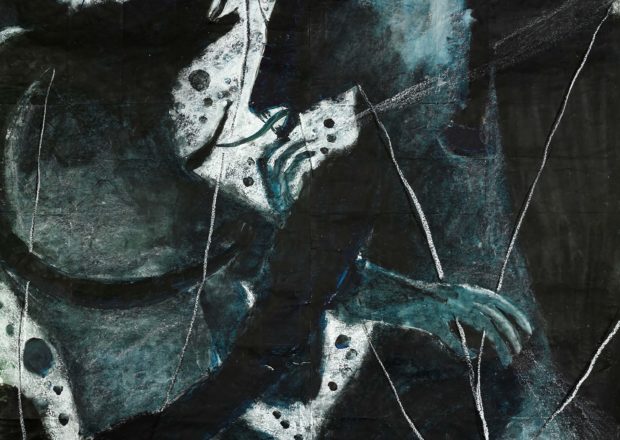
22. Condemned, François Burland, Number 40, Wild Animus Series. Neocolor on paper. 2005. 39 1/2 x 39 1/2 in.
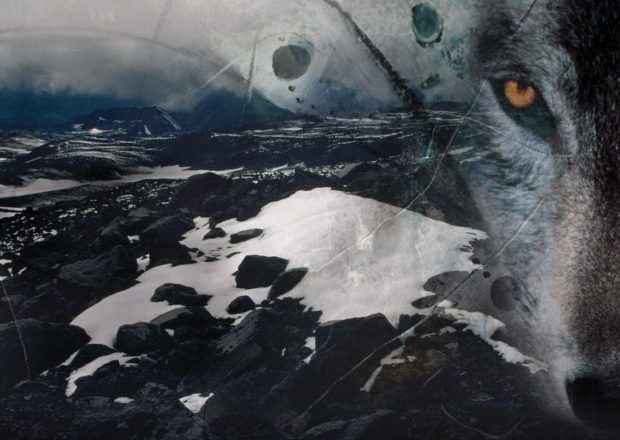
23. Scaffold of Snow, Adde Russell collage with: Wolf, ©Thomas Kitchin & Victoria Hurst/First Light, Rich Shapero, photo number 556546-10.
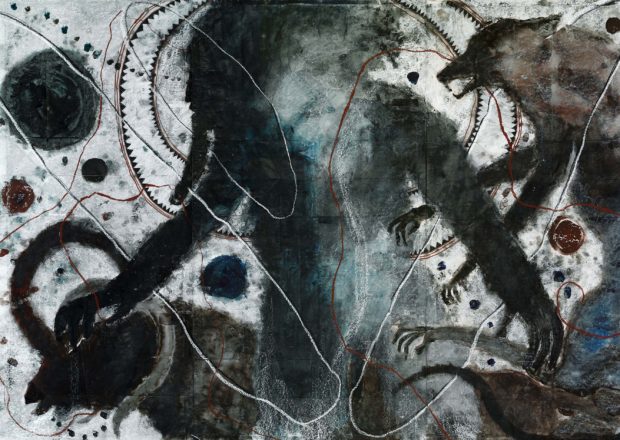
Wild Animus Project Cover / 24. Animus Shaking, François Burland. Neocolor on paper. 2005. 39 1/2 x 59 in.
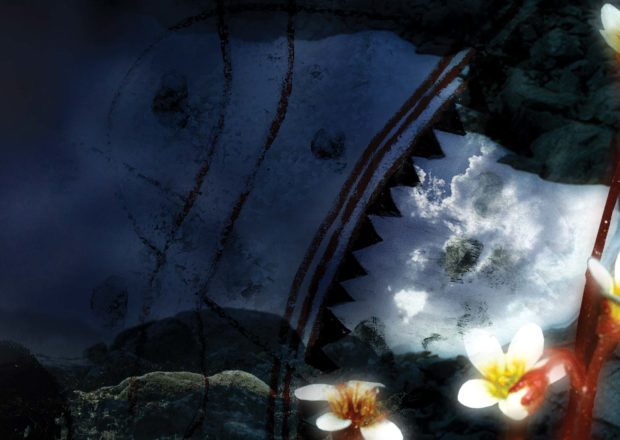
25. Vigil Lights, Adde Russell collage with: Rich Shapero, photo number 917095-14; 917108-7; 917073-28, François Burland, Number 19, Wild Animus Series. Neocolor on paper. 2005. 39 1/2 x 59 in.
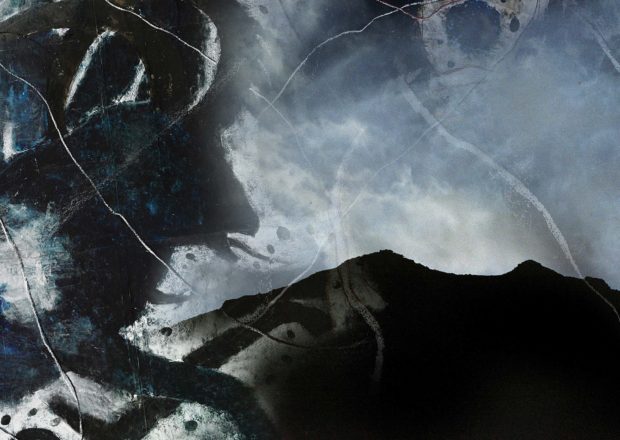
26. Bursting the Case, Adde Russell collage with: Rich Shapero, photo number 917099-2, François Burland, Number 31, Wild Animus Series. Neocolor on paper. 2005. 59 1/2 x 78 3/4 in.
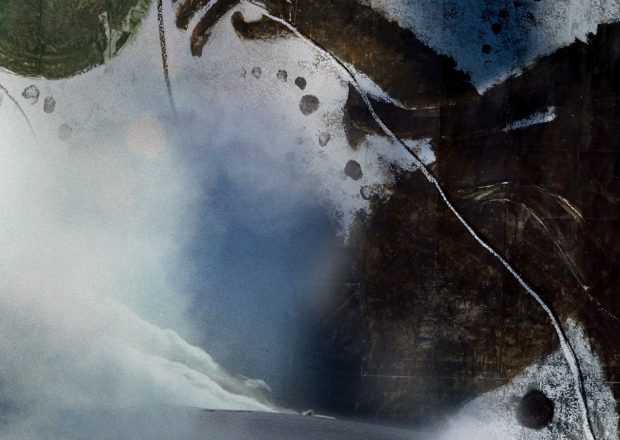
27. Spirit Body, Adde Russell collage with: Rich Shapero, photo number 844571-13, François Burland, Number 28, Wild Animus Series. Neocolor on paper. 2005. 59 x 78 3/4 in.
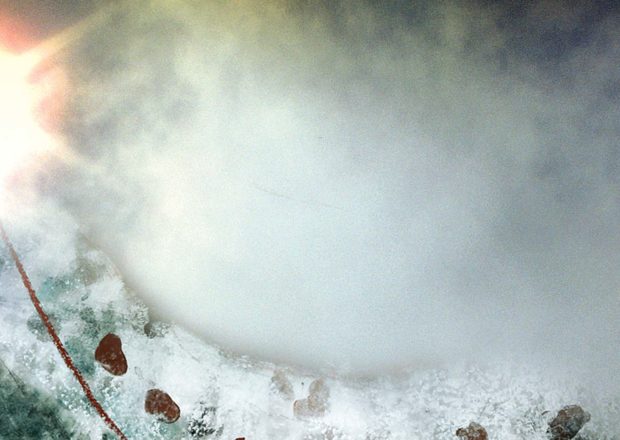
28. Dawn, Adde Russell collage with: Rich Shapero, photo number 844571-13, François Burland, Number 19, Wild Animus Series. Neocolor on paper. 2005. 39 1/2 x 59 in.
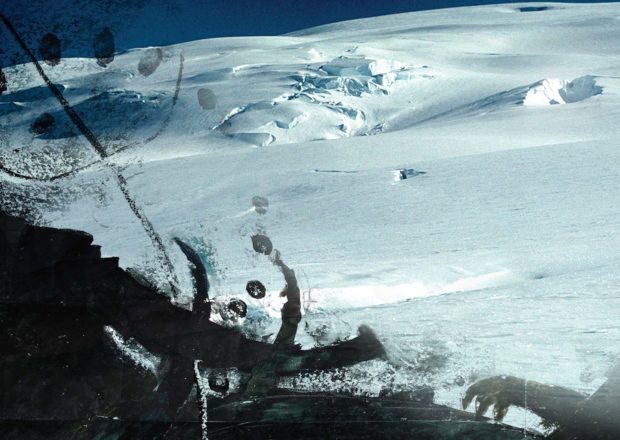
29. This Dazzling Dome, Adde Russell collage with: Rich Shapero, photo number 55651-35, François Burland, Number 48, Wild Animus Series. Neocolor on paper. 2005. 39 1/2 x 39 1/2 in.
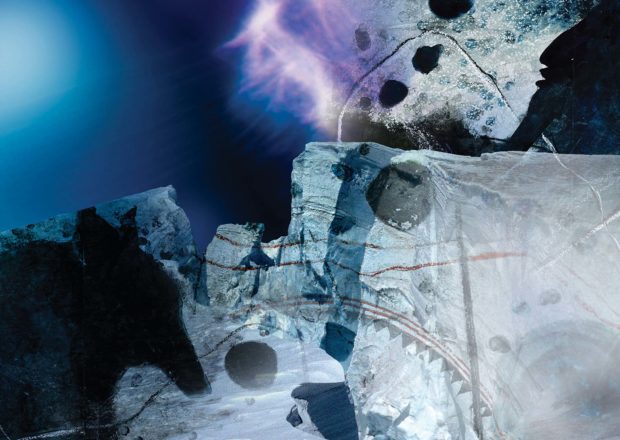
30. Across the Crevasse, Adde Russell collage with: Rich Shapero, photo number 556552-8, François Burland, Number 17; 25; 30, Wild Animus Series. Neocolor on paper. 2005. 39 1/2 x 65 1/2; 37 3/4 x 51; 59 x 78 3/4 in.
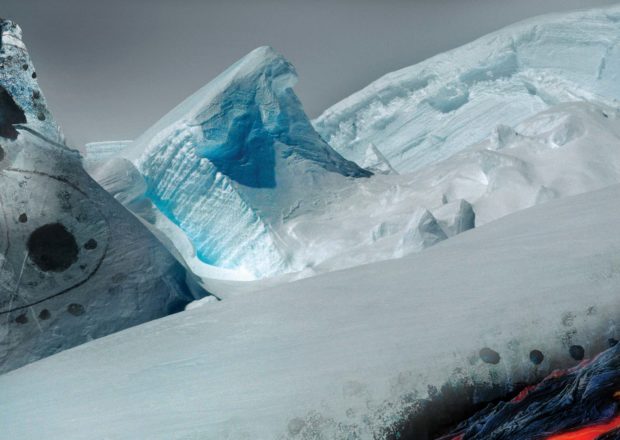
31. Bogged, Adde Russell collage with: Lava © G. Brad Lewis/Getty, Rich Shapero, photo number 556636-22, François Burland, Number 14, Wild Animus Series. Neocolor on paper. 2005. 39 1/2 x 39 1/2 in.

32. Inside Me, You Roar, Adde Russell collage with François Burland, Number 5, Wild Animus Series. Neocolor on paper. 2005. 39 1/2 x 36 1/2 in.
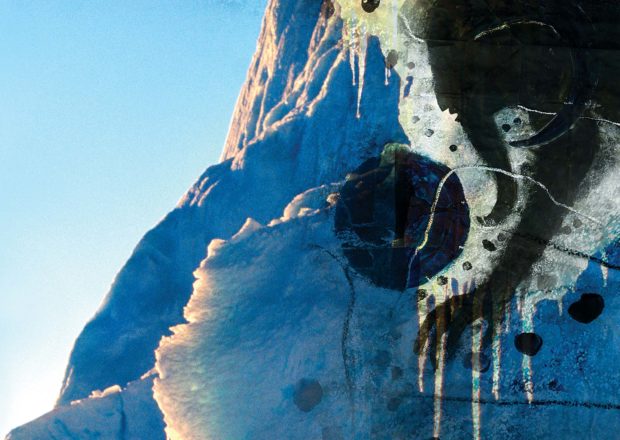
33. Animus is Pleased, Adde Russell collage with: Icicles, © John Johnson/Getty, François Burland, Number 15, Wild AnimusSeries. Neocolor on paper. 2005. 39 1/2 x 39 1/2 in.

34. Labyrinth of Devotion, Adde Russell collage with: Rich Shapero, photo number 556514-37, François Burland, Number 12, Wild Animus Series. Neocolor on paper. 2005. 39 1/2 x 39 1/2 in.
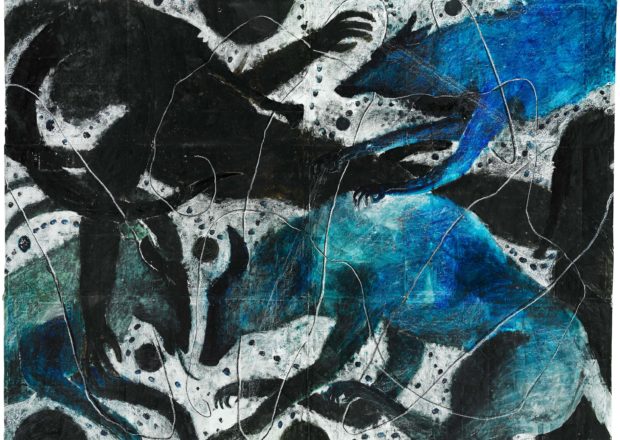
35. Lift Me Out, François Burland, Number a5, Wild Animus Series. Neocolor on paper. 2005. 59 x 78 3/4 in.“Booms, great booms. You’re roaring back into my heart. . . . Animus, please—find a way out. . . . ‘Find, find,’ Animus roars, ‘Gods don’t find.’ . . . The sacrum shakes, an enormous rending. . . . Unlock me, tear this place open. Lift me out!”Quote…
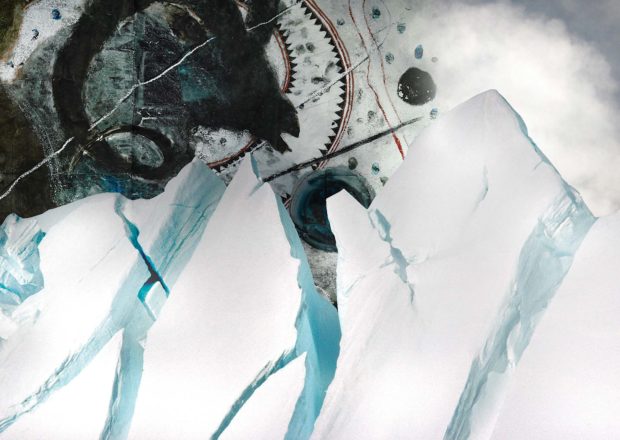
36. The Shrine, Adde Russell collage with: Rich Shapero, photo number 556549-20-22, François Burland, Number 17, Wild Animus Series. Neocolor on paper. 2005. 39 1/2 x 65 1/2 in.
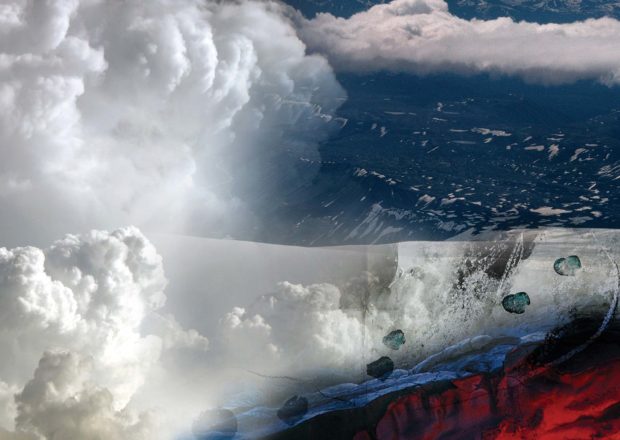
37. Nothing But Froth, Adde Russell collage with: Skylight at Dawn © Dorian Weisel, Rich Shapero, photo number 556582-4, François Burland, Number 1, Wild Animus Series. Neocolor on paper. 2005. 39 1/2 x 39 1/2 in.
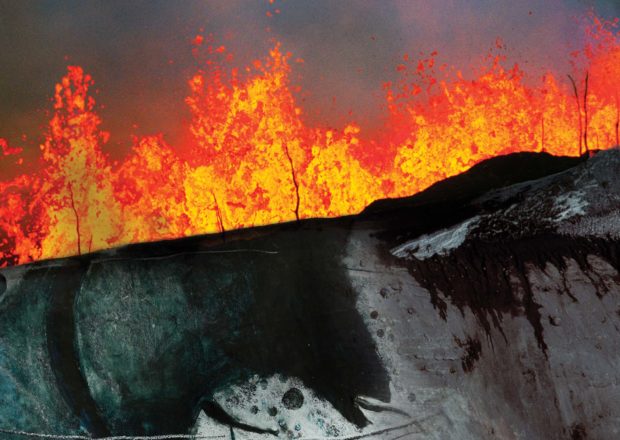
38. I See Your Throne, Adde Russell collage with: Fissure at Dusk © Dorian Weisel, Rich Shapero, photo number 556545-32, François Burland, Number 39, Wild Animus Series. Neocolor on paper. 2005. 39 1/2 x 39 1/2 in.

39. Tower of Blood, François Burland, Adde Russell collage with: High Fountain at Dawn, © Dorian Weisel, François Burland, Number 11 & 19, Wild Animus Series. Neocolor on paper. 2005. 39 1/2 x 39 1/2 & 39 1/2 x 59 in.

To Be a Leaper, Paul Mahder, Photo Collage. 2005. 30 1/2 x 33 1/2 in.

Head-Shaped Rock, Paul Mahder, Photo Collage. 2005. 30 1/2 x 33 1/2 in.

Golden Horns Grow, Paul Mahder, Photo Collage. 2005. 11 x 8 1/2 in.
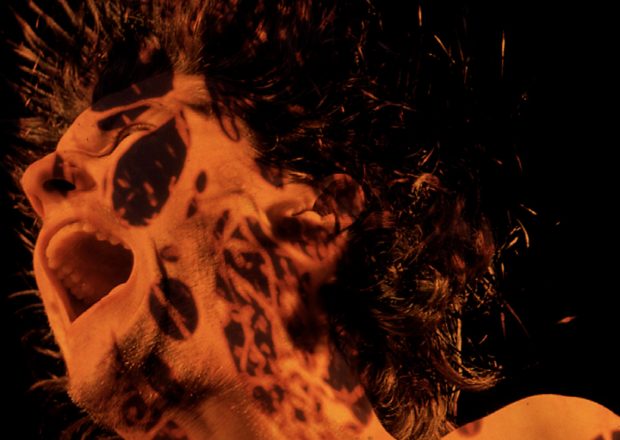
His Violence is Mine, Paul Mahder, Photo Collage. 2005. 30 1/2 x 33 1/2 in.

“The Ram” Cover Art, Adde Russell collage with: Paul Mahder, Golden Horns Grow, François Burland, Number 33, Wild Animus Series. 2005. 59 x 78 3/4 in.
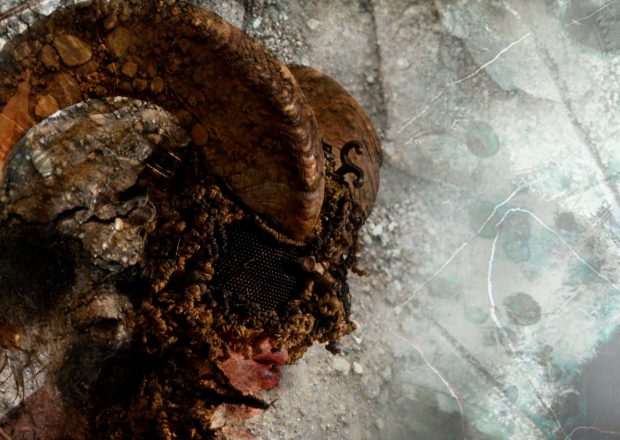
“The Ram” Credit Spread 1, Adde Russell collage with: Paul Mahder, To Be a Leaper, François Burland, Number 17, Wild Animus Series. Neocolor on paper. 2005. 39 1/2 x 65 1/2 in.
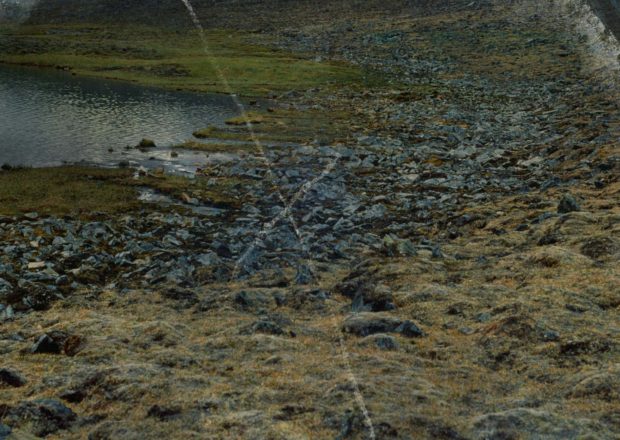
“The Ram” Credit Spread 2, Adde Russell collage with: Rich Shapero, photo number 843900-9, François Burland, Number 13, Wild Animus Series. Neocolor on paper. 2005. 39 1/2 x 39 1/2 in.
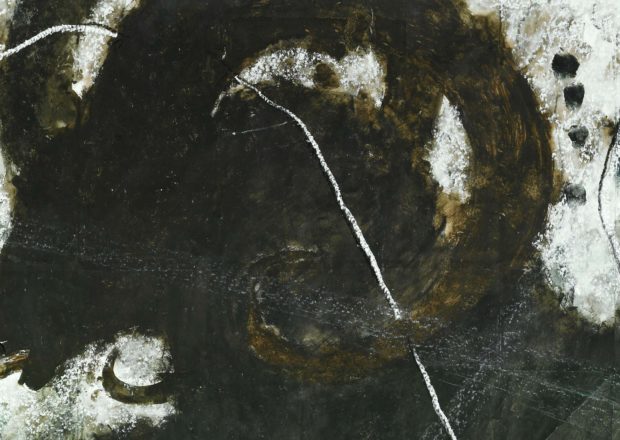
“The Ram” Credit Spread 3, François Burland, Number 13, Wild Animus Series. Neocolor on paper. 2005. 39 1/2 x 39 1/2 in.“Weightless, free from drag, I’m motes the wind carries. . . . I feel your purpose, I understand.”Quote…

“The Ram” Credit Spread 4, Adde Russell collage with: François Burland, Number 46, Wild Animus Series. Neocolor on paper. 2005. 39 1/2 x 39 1/2 in.
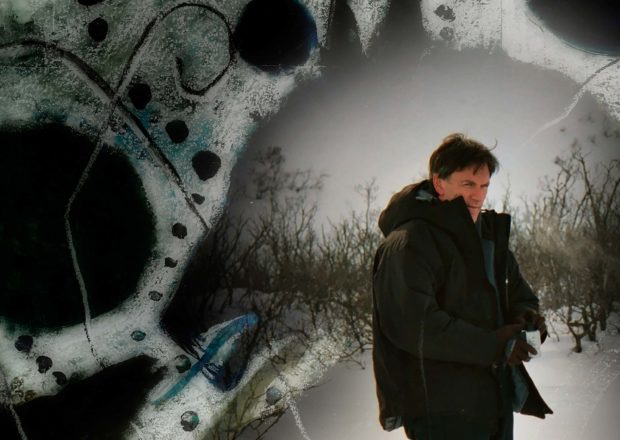
“The Ram” Back Cover Art, Adde Russell collage with: Jan Sassano, Author photo, François Burland, Number 23, Wild Animus Series. Neocolor on paper. 2005. 39 1/2 x 39 1/2 in.
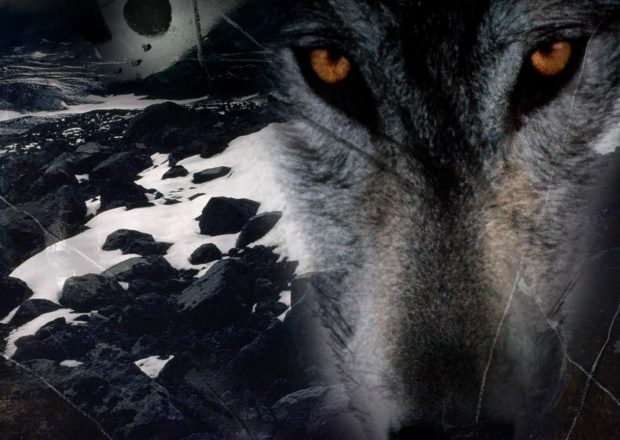
“The Wolves” Cover Art, Adde Russell collage with: Wolf, ©Thomas Kitchin & Victoria Hurst/First Light, Rich Shapero, photo number 556546-10.
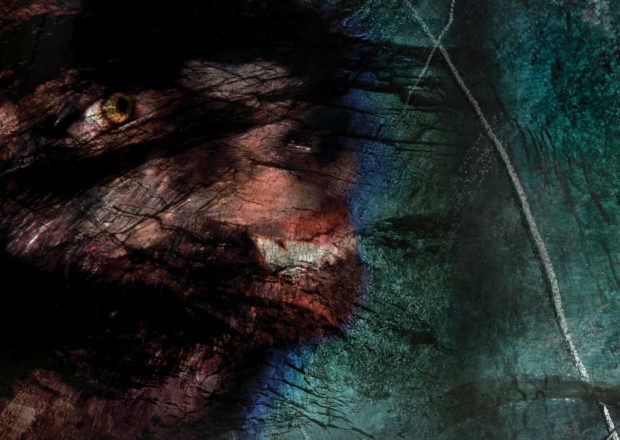
“The Wolves” Credit Spread 1, Adde Russell collage with: Paul Mahder, A Head-Shaped Rock, François Burland, Number 34, Wild Animus Series. Neocolor on paper. 2005. 59 x 78 3/4 in.
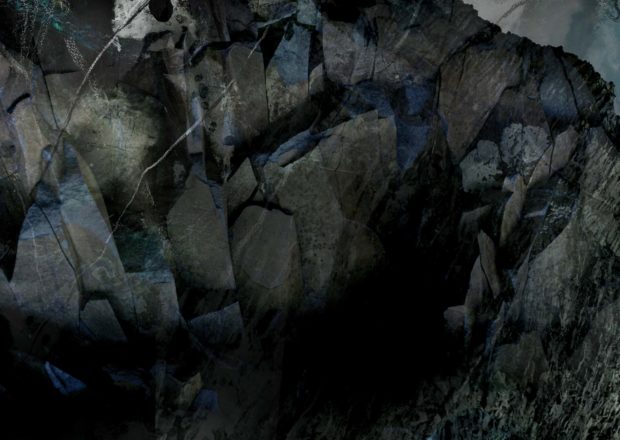
“The Wolves” Credit Spread 2, Adde Russell collage with: Rich Shapero, photo number 917118-34 & 917083-19, François Burland, Number 45, Wild Animus Series. Neocolor on paper. 2005. 76 3/4 x 118 in.
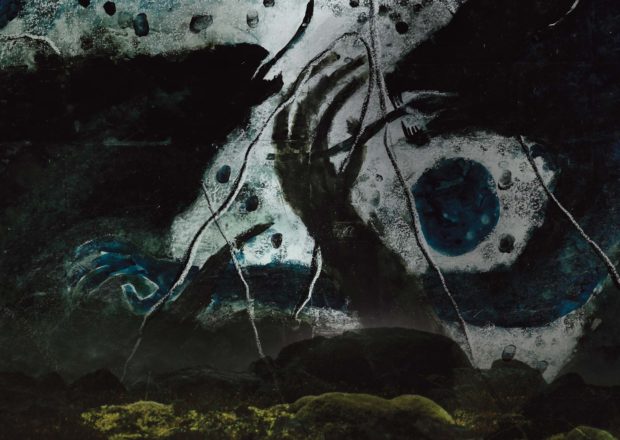
“The Wolves” Credit Spread 3, Adde Russell collage with: Rich Shapero, photo number 917108-7, François Burland, Number 10, Wild Animus Series. Neocolor on paper. 2005. 39 1/2 x 39 1/2 in.
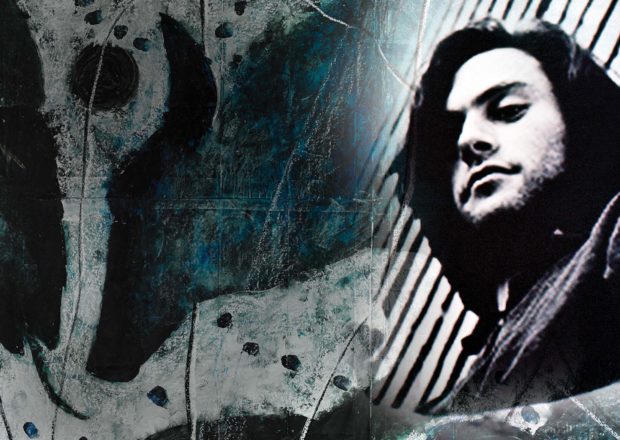
“The Wolves” Credit Spread 4, Adde Russell collage with: Author photo (Unknown), François Burland, Number 34, Wild Animus Series. Neocolor on paper. 2005. 59 x 78 3/4 in.
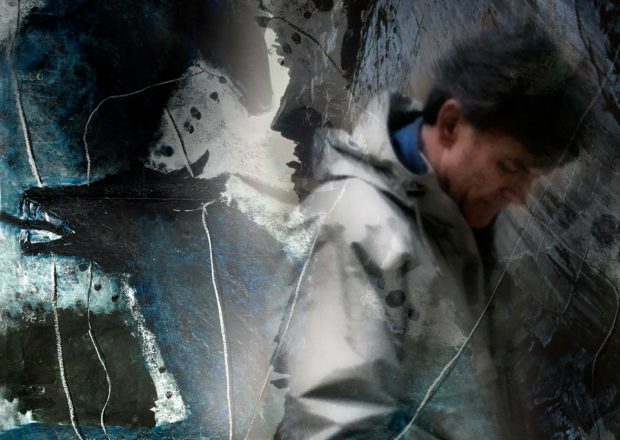
“The Wolves” Back Cover Art, Adde Russell collage with: Jan Sassano, Author photo, Rich Shapero, photo number 917101-31, François Burland, Number 42, Wild Animus Series, Neocolor on paper. 2005. 39 1/2 x 39 1/2 in.
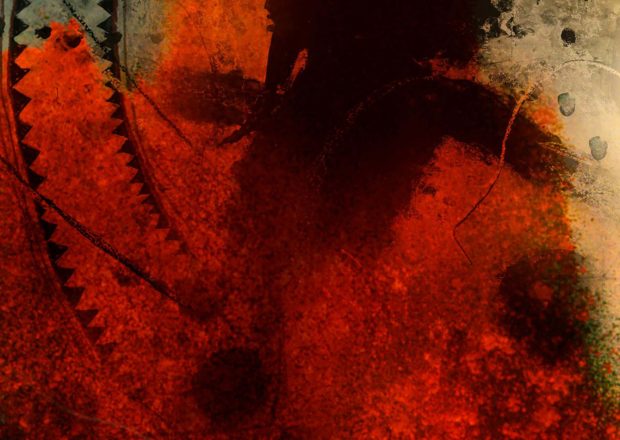
“Animus” Cover Art, Adde Russell collage with: High Fountain At Dawn, © Dorian Weisel, François Burland, Number 11 & 19, Wild Animus Series, Neocolor on paper. 2005. 39 1/2 x 39 1/2 in.
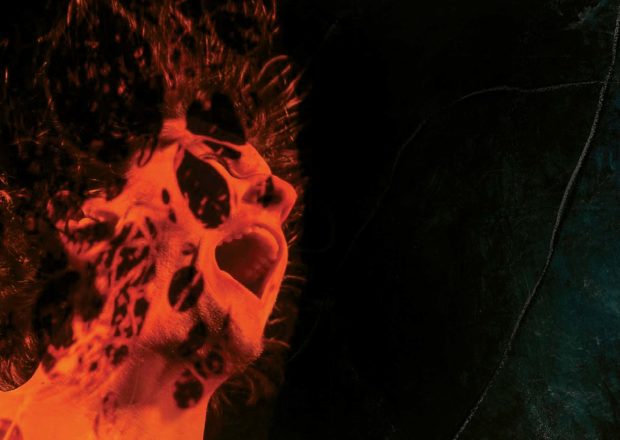
“Animus” Credit Spread 1, Adde Russell collage with Paul Mahder, His Violence is Mine, François Burland, Number 44, Wild Animus Series, Neocolor on paper. 2005. 39 1/2 x 39 1/2 in.
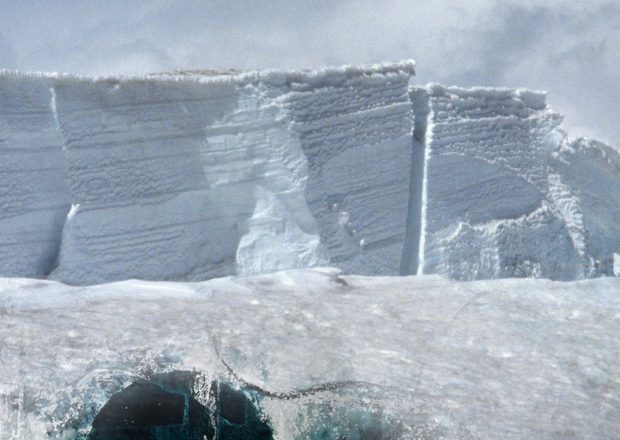
“Animus” Credit Spread 2, Adde Russell collage with: Rich Shapero, photo number p50-26, François Burland, Number 4, Wild Animus Series. Neocolor on paper. 2005. 39 1/2 x 39 1/2 in.
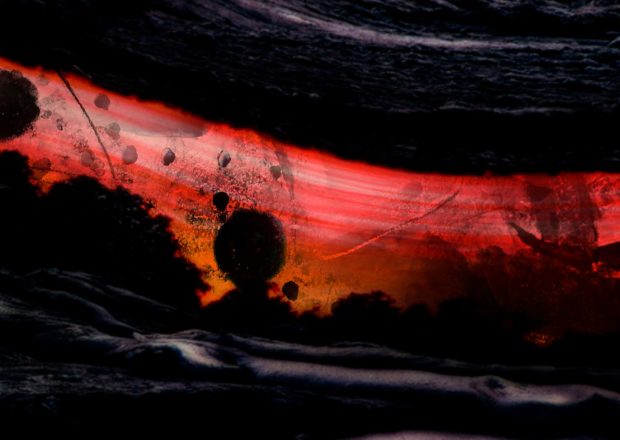
“Animus” Credit Spread 3, Adde Russell collage with: G. Brad Lewis, Molten Lava Stream, François Burland, Number 40, Wild Animus Series. Neocolor on paper. 2005. 39 1/2 x 39 1/2 in.
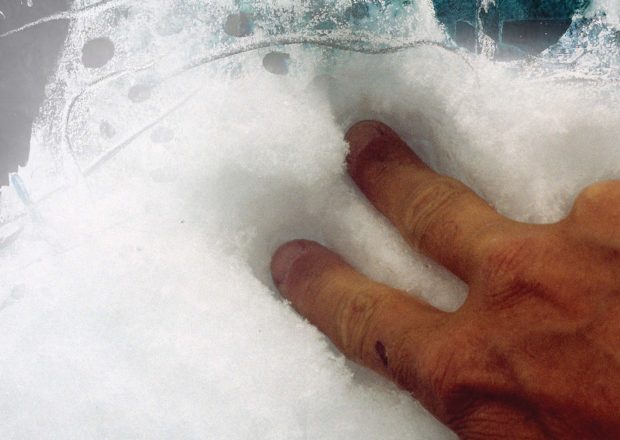
“Animus” Credit Spread 4, Adde Russell collage with Rich Shapero, photo number 595648-8, François Burland, Number 7, Wild Animus Series. Neocolor on paper. 2005. 39 1/2 x 39 1/2 in.
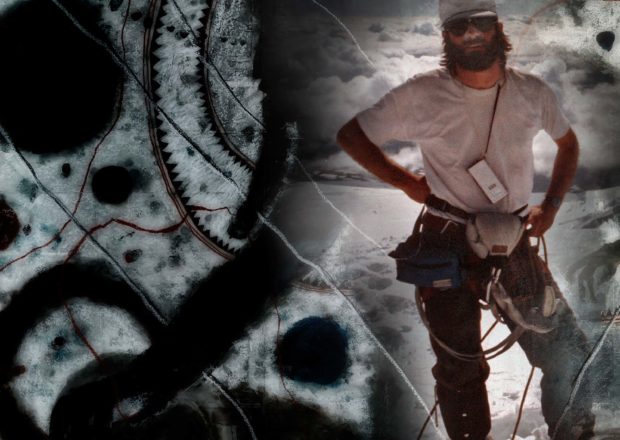
“Animus” Back Cover Art, Adde Russell collage with Author photo, François Burland, Number 19, Wild Animus Series, Neocolor on paper. 2005. 39 1/2 x 59 in.

Untitled, François Burland, Number 51, Wild Animus Series. Neocolor on paper. 2005. 39 1/2 x 98 1/2 in.“I must cross. I’m plunging headlong down the bank, hoarding the momentum to keep my lead. Over my shoulder, the wolves hurtle the bank, headed straight for me. . . . ‘You are mine,’ their paws chant. ‘You are mine.’”Quote…
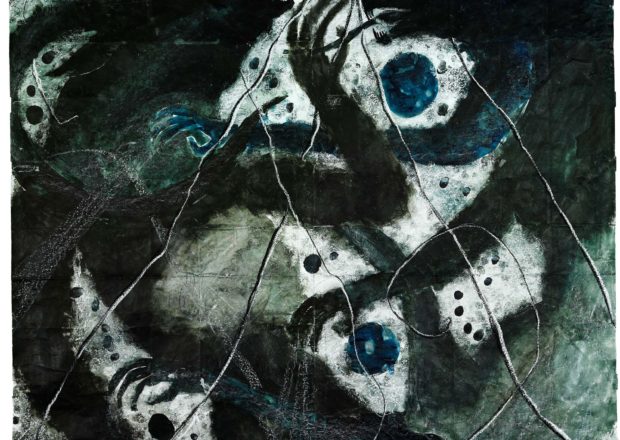
Untitled, François Burland, Number 8, Wild Animus Series. Neocolor on paper. 2005. 39 1/2 x 39 1/2 in.“I go down and the Lead hurtles over me, tugging at my chest. A sharp pain—a tuft of my fur is caught on his fangs.”Quote…
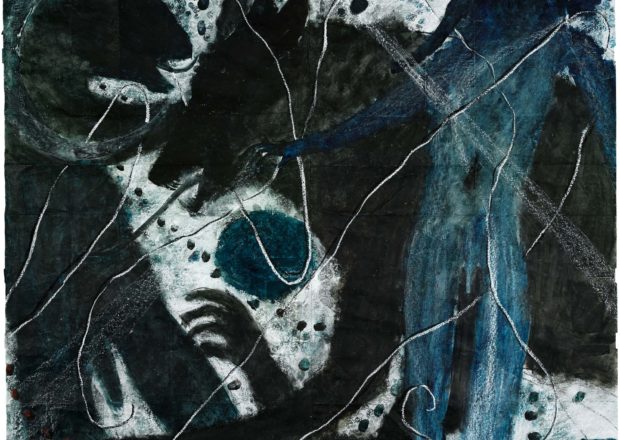
Untitled, François Burland, Number 11, Wild Animus Series. Neocolor on paper. 2005. 39 1/2 x 39 1/2 in.“The block, the block— As I pass its blind corner, the Lead lunges, jaws gaping. . . . inches away. Death is upon me, ears flattened, white foam around his mouth.”Quote…
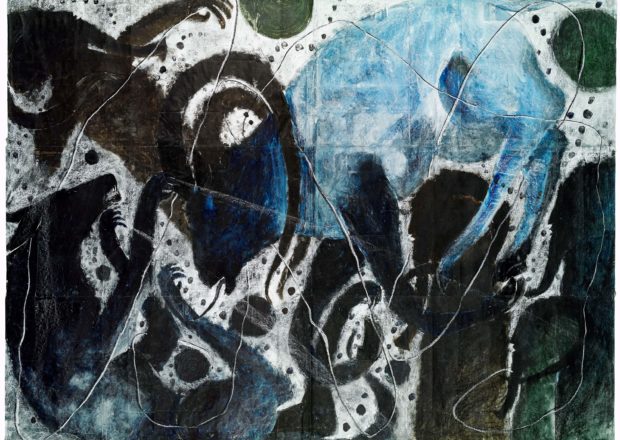
Untitled, François Burland, Number a2, Wild Animus Series. Neocolor on paper. 2005. 59 x 78 3/4 in.“A roar breaks from the rock, an impossible wrath convulsing the peaks and depths, banging me against the parapet as the ledge-line ripples and the Hangbelly dances like a spider on a thread. The cliff sinks and heaves, throwing her off. Down she pitches, black limbs flailing.”Quote…

Untitled, François Burland, Number 9, Wild Animus Series. Neocolor on paper. 2005. 39 1/2 x 39 1/2 in.“Who are you? Settling to a shiver, soft and intimate— You might be my own breath, the tingling of my nerves, the throbbing of my flesh. . . . Are you saving me? Why?”Quote…
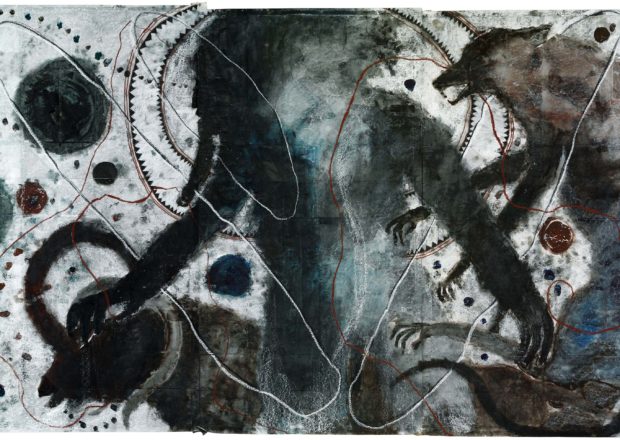
Untitled, François Burland, Number 19, Wild Animus Series. Neocolor on paper. 2005. 39 1/2 x 59 in.“You rumble, protecting, beads of ice buzzing beneath my hooves. I can see the spurs of torn flesh and the imprint they made. Connecting us. The Wise is gazing at my horns. The light has found them and the tips are glowing. My limbs wobble. I’m weak, but no longer afraid.”Quote…
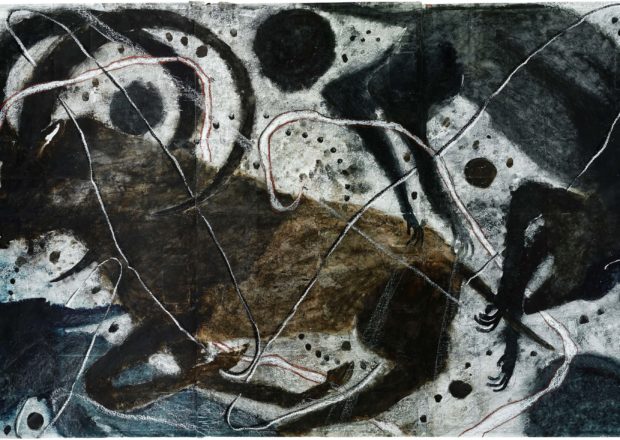
Untitled, François Burland, Number 20, Wild Animus Series. Neocolor on paper. 2005. 39 1/2 x 59 in.“I wheel and spring, putting the wolves at my rear, striking across the snow, headed straight for the offset crevasse. Are you with me?”Quote…
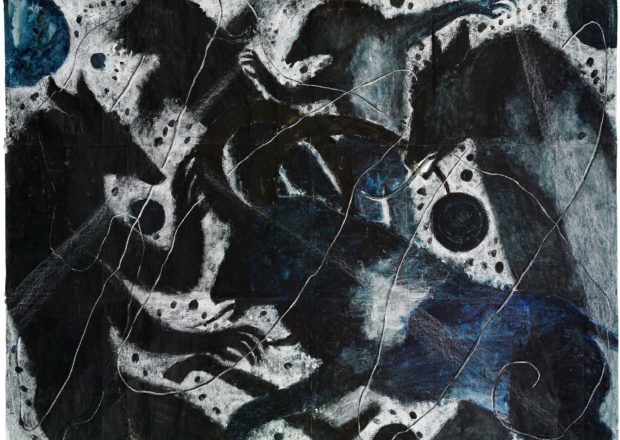
Untitled, François Burland, Number a3, Wild Animus Series. Neocolor on paper. 2005. 59 x 78 3/4 in.
Untitled, François Burland, Number 2, Wild Animus Series. Neocolor on paper. 2005. 39 1/2 x 39 1/2 in.“Of all those who have issued from you, one has come back. . . . The spindrift is settling, the sun shines through. . . . You are with me, even when I can’t see or hear you. You’ll be with me all the way.”Quote…

Untitled, François Burland, Number 7, Wild Animus Series. Neocolor on paper. 2005. 39 1/2 x 39 1/2 in.“Animus roars. . . . My chest clenches. A chip of ice, cold and sharp, pierces me. You rise through the narrow cut, deafening, filling me with your power while my heat bleeds into the wall.”Quote…

Untitled, François Burland, Number 46, Wild Animus Series. Neocolor on paper. 2005. 76 3/4 x 118 in.“The Wise stands rigid, sensing my possession.”Quote…
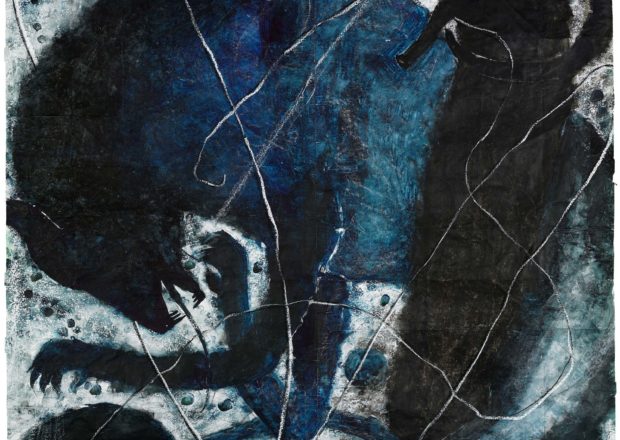
Untitled, François Burland, Number 12, Wild Animus Series. Neocolor on paper. 2005. 39 1/2 x 39 1/2 in.“Panicked yelps from the ravine. The Dangler has lagged. . . . Her scream, lost in the grinding, returns as a groan. The wolves turn to see her crawling toward them, spine broken. . . . The Dangler’s struggling stops, head lolling. Animus is done with her. And so am I.”Quote…

Untitled, François Burland, Number 6, Wild Animus Series. Neocolor on paper. 2005. 39 1/2 x 39 1/2 in.“Cries—some crushed, some leaping clear. Cruelty, contempt? A god’s indifference? I understand. The Lead remains, still hungering; and the Wise, who knew this would be their fate.”Quote…
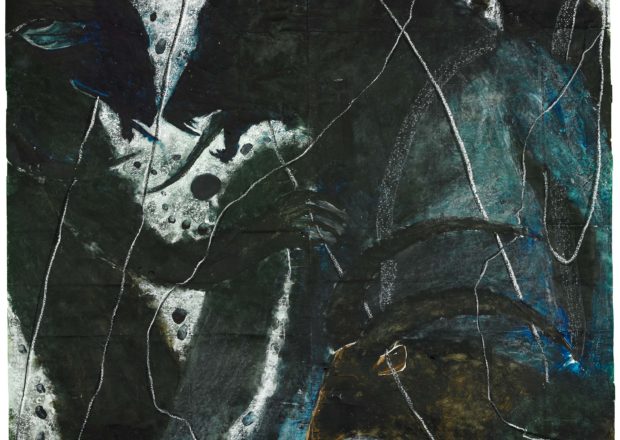
Untitled, François Burland, Number 4, Wild Animus Series. Neocolor on paper. 2005. 39 1/2 x 39 1/2 in.

Untitled, François Burland, Wild Animus Series. Neocolor on paper. 2005. 39 1/2 x 36 1/2 in.
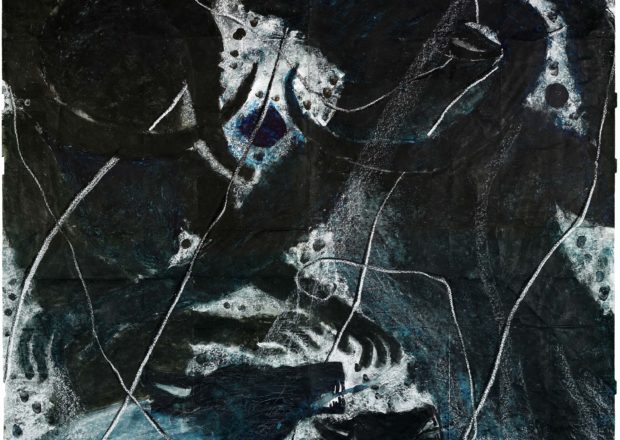
Untitled, François Burland, Number 5, Wild Animus Series. Neocolor on paper. 2005. 39 1/2 x 39 1/2 in.
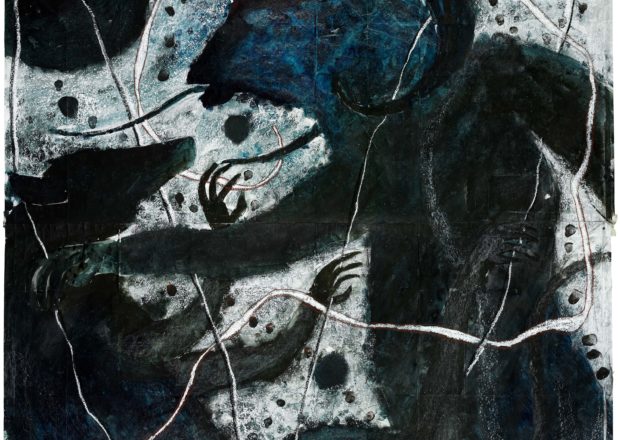
Untitled, François Burland, Number 15, Wild Animus Series. Neocolor on paper. 2005. 39 1/2 x 39 1/2 in.
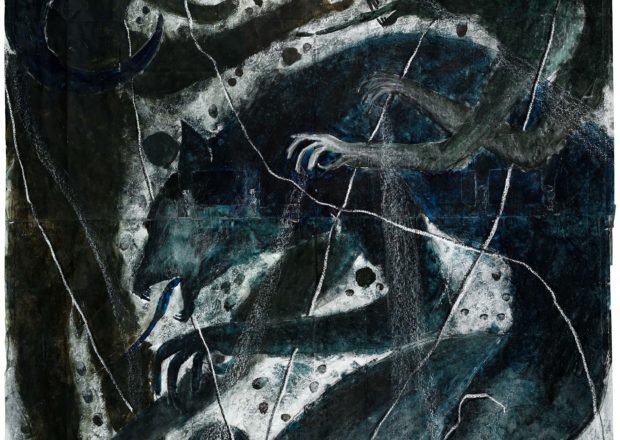
Untitled, François Burland, Number 14, Wild Animus Series. Neocolor on paper. 2005. 39 1/2 x 39 1/2 in.

Untitled, François Burland, Number 17, Wild Animus Series. Neocolor on paper. 2005. 39 1/2 x 39 1/2 in.

Untitled, François Burland, Number 18, Wild Animus Series. Neocolor on paper. 2005. 39 1/2 x 65 1/2 in.

Untitled, François Burland, Number 21, Wild Animus Series. Neocolor on paper. 2005. 39 1/2 x 39 1/2 in.
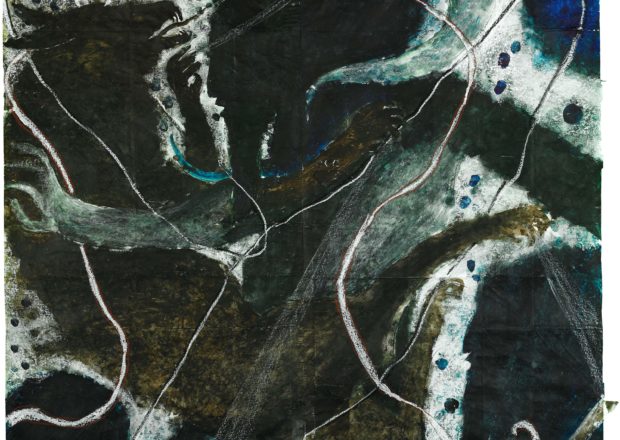
Untitled, François Burland, Number 22, Wild Animus Series. Neocolor on paper. 2005. 39 1/2 x 39 1/2 in.
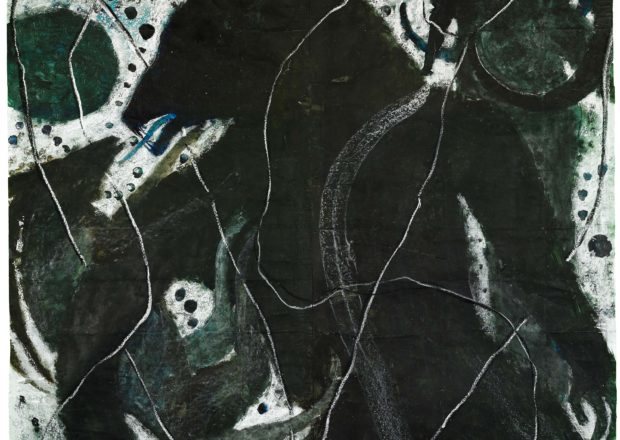
Untitled, François Burland, Number a10, Wild Animus Series. Neocolor on paper. 2005. 39 1/2 x 39 1/2 in.
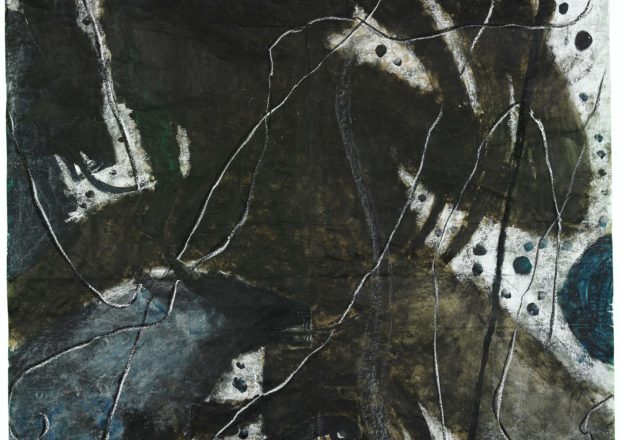
Untitled, François Burland, Number a9, Wild Animus Series. Neocolor on paper. 2005. 39 1/2 x 39 1/2 in.
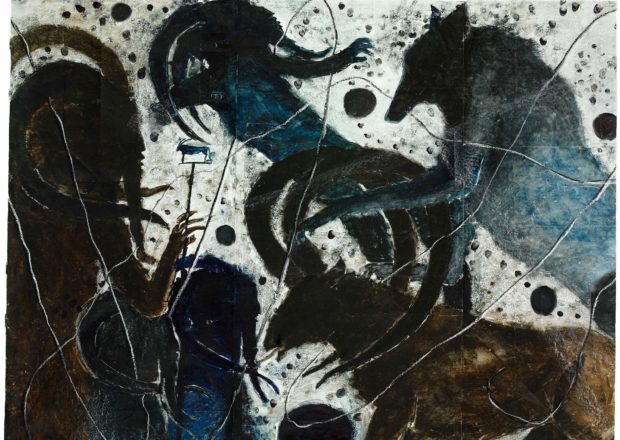
Untitled, François Burland, Number a8, Wild Animus Series. Neocolor on paper. 2005. 37 3/4 x 51 in.

Untitled, François Burland, Number a11, Wild Animus Series. Neocolor on paper. 2005. 39 1/2 x 59 in.
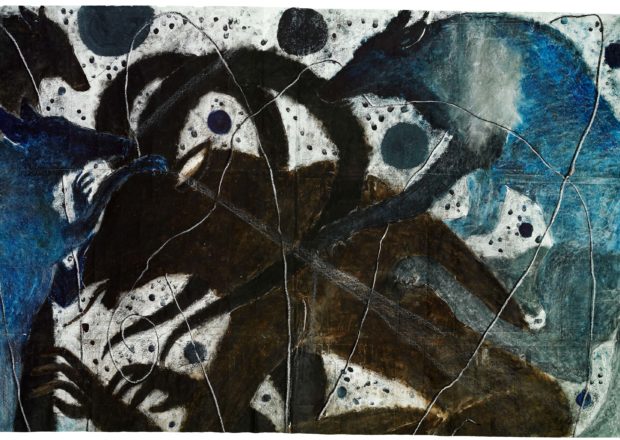
Untitled, François Burland, Number a12, Wild Animus Series. Neocolor on paper. 2005. 50 x 73 1/2 in.
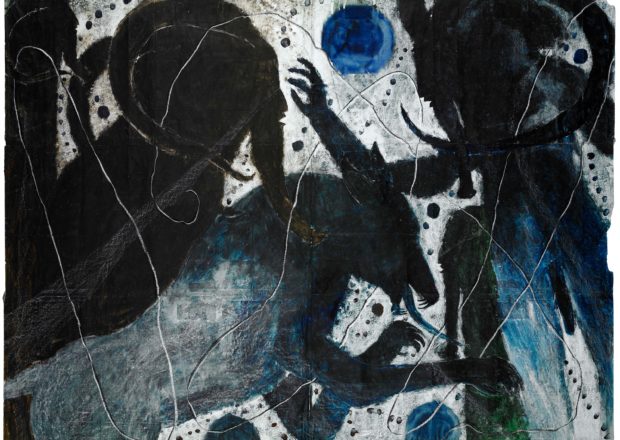
Untitled, François Burland, Number a1, Wild Animus Series. Neocolor on paper. 2005. 59 x 78 3/4 in.
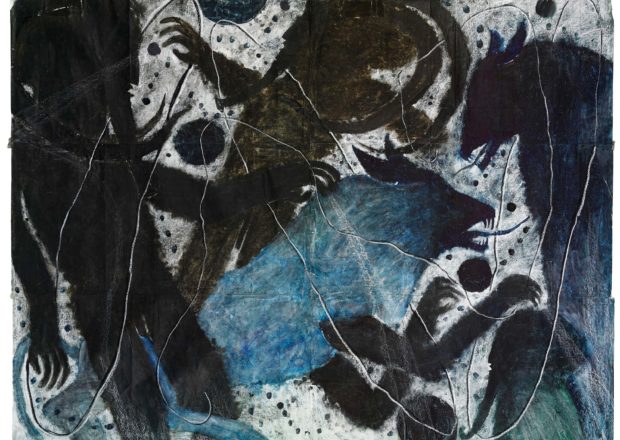
Untitled, François Burland, Number a4, Wild Animus Series. Neocolor on paper. 2005. 59 x 78 3/4 in.
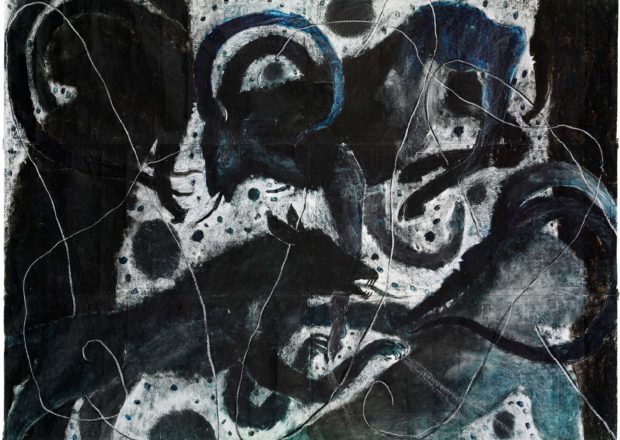
Untitled, François Burland, Number a6, Wild Animus Series. Neocolor on paper. 2005. 59 x 78 3/4 in.
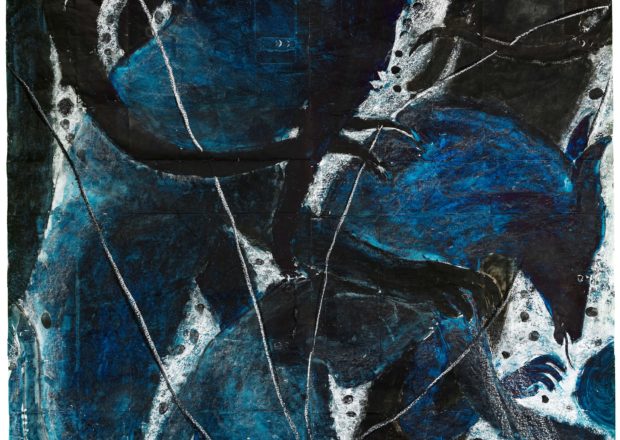
Untitled, François Burland, Number 36, Wild Animus Series. Neocolor on paper. 2005. 39 1/2 x 39 1/2 in.
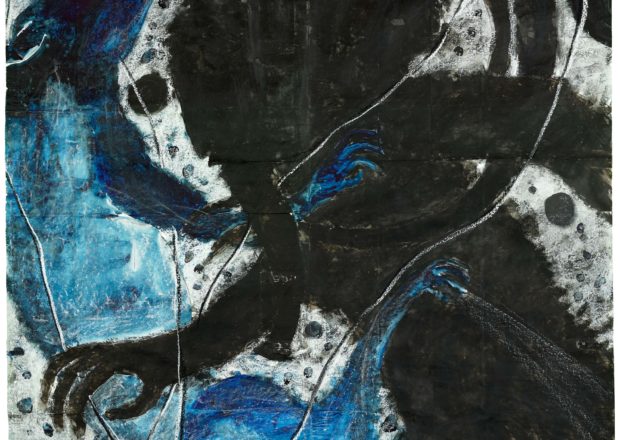
Untitled, François Burland, Number 37, Wild Animus Series. Neocolor on paper. 2005. 39 1/2 x 39 1/2 in.
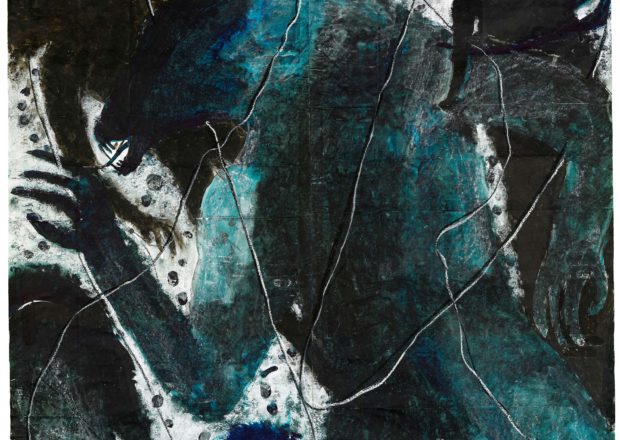
Untitled, François Burland, Number 38, Wild Animus Series. Neocolor on paper. 2005. 39 1/2 x 39 1/2 in.
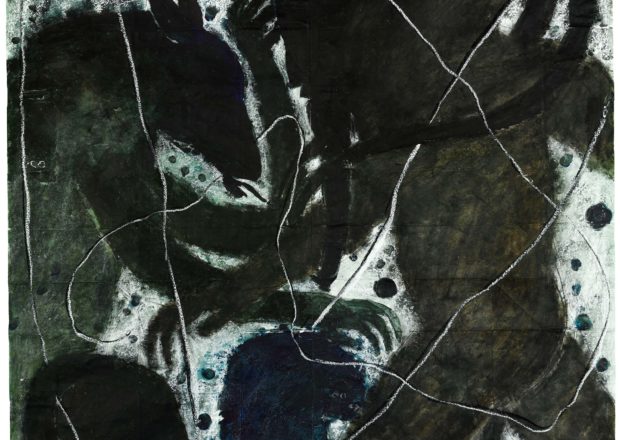
Untitled, François Burland, Number 39, Wild Animus Series. Neocolor on paper. 2005. 39 1/2 x 39 1/2 in.
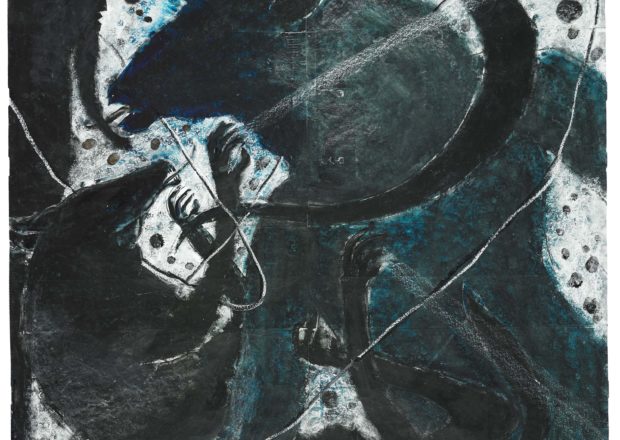
Untitled, François Burland, Number 41, Wild Animus Series. Neocolor on paper. 2005. 39 1/2 x 39 1/2 in.
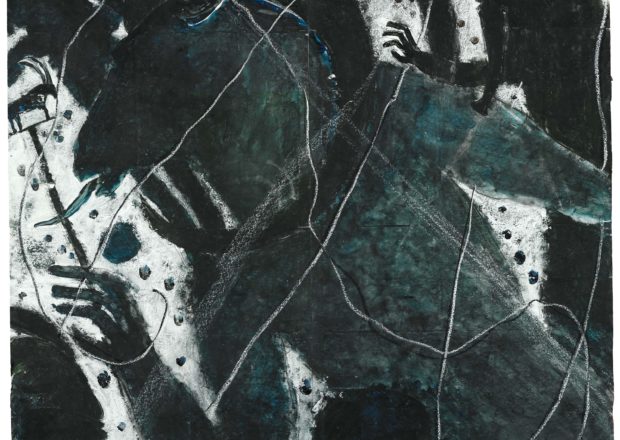
Untitled, François Burland, Number 42, Wild Animus Series. Neocolor on paper. 2005. 39 1/2 x 39 1/2 in.

Untitled, François Burland, Number 43, Wild Animus Series. Neocolor on paper. 2005. 39 1/2 x 39 1/2 in.

Untitled, François Burland, Number 44, Wild Animus Series,. Neocolor on paper. 2005. 39 1/2 x 39 1/2 in.
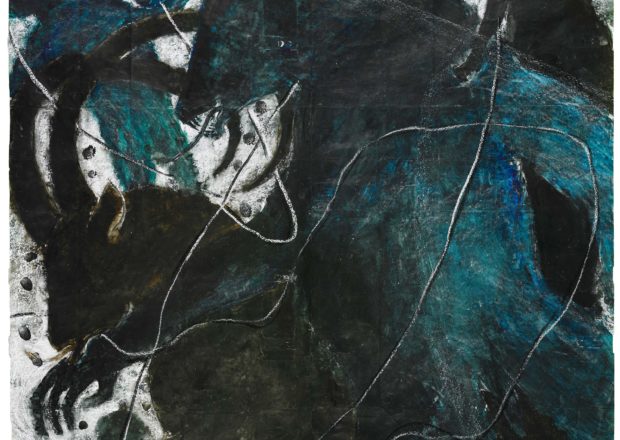
Untitled, François Burland, Number 45, Wild Animus Series. Neocolor on paper. 2005. 39 1/2 x 39 1/2 in.
Wild Animus in the TooFar Media App
The multimedia version of Wild Animus combines Rich’s novel with visionary artwork by François Burland and 39 tracks of original, spell-binding music.

Use your device’s camera to scan and download the TooFar Media App. Available on iOS and Android.
Acclaim for Wild Animus